

Unleash Your Body’s Potential with Nature’s Fat-Burning Powerhouse Blend
Revolutionize your health with six powerhouse ingredients: Amla, Maqui Berry, Haematococcus, Schisandra, Rhodiola, and Theobroma Cacao. This unique blend is scientifically crafted to accelerate fat burning, support sustainable weight loss, and promote overall well-being.

2025- New Scientific Discovery
Harvard Scientists Discover Shocking New Cause Of Slow Metabolism...
And It's Not What You Think...
Harvard scientists used cutting-edge microscopic techniques to study 1,700 women and men, and found just one common factor in every overwieght person: low mitochondria levels. They also found one thing in common with every person that was slim, toned and smooth young skin: high mitochondria levels.
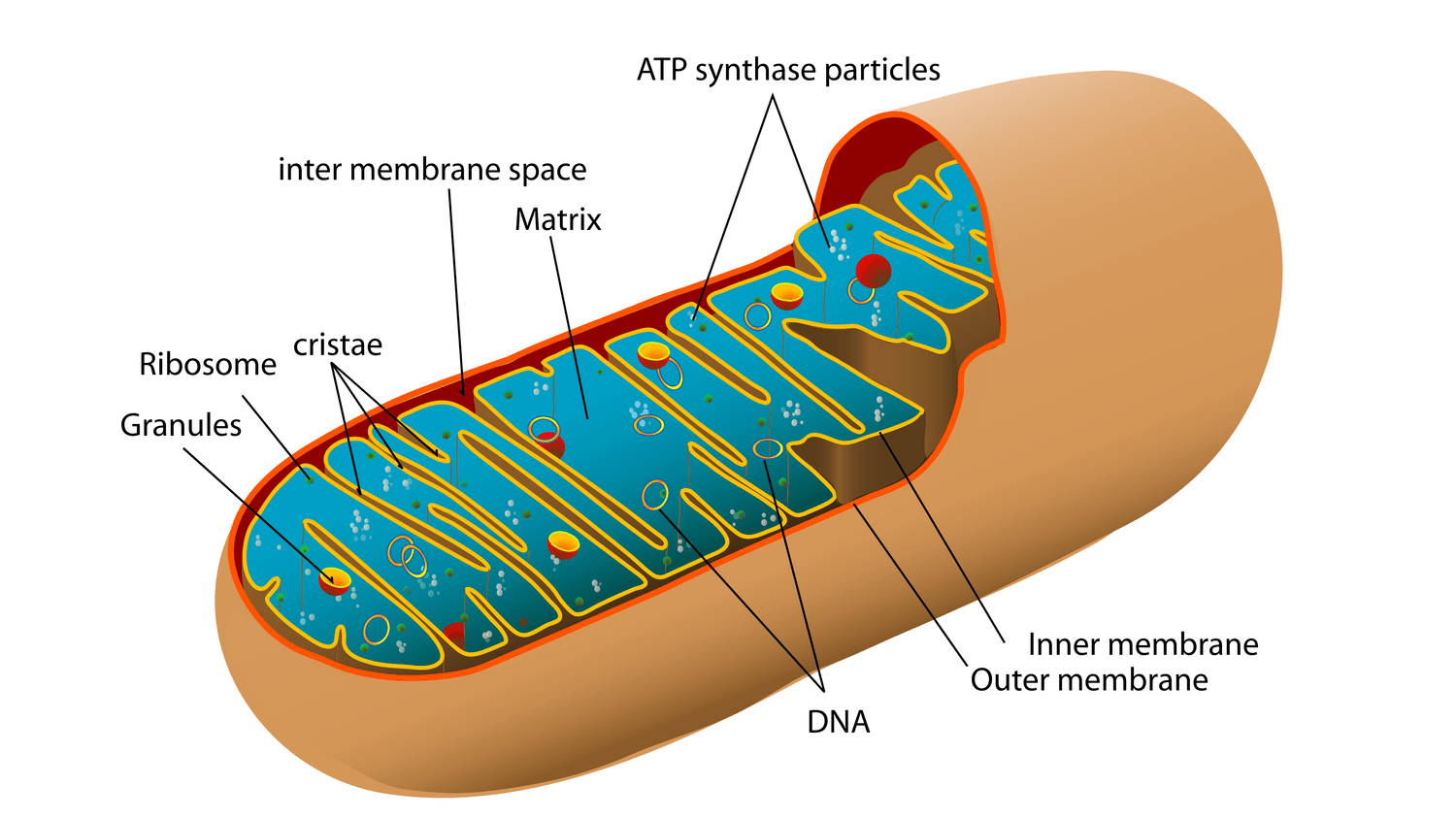
That's because, like little engines, mitochondria are tiny parts found inside every cell in our body that make enrgy from the food we eat and by burning fat stored in our body. Thhis energy, called ATP, is what our body needs to do everything- from moving our muscles, to our heartbeat, to thinking.
In short, mitochondria burn fat and fuel every part of our body to keep it running smoothly. So the more mitochondria you have, the more fat you burn!
References:
(a) Leukocytemitochondrial DNA copy number, anthropometric indices, and weight change in US women
https://pubmed.ncbi.nlm.nih.gov/27367031/
(b) Impaired Mitochondrial Biogenesis in Adipose Tissue in Acquired Obesity
https://pubmed.ncbi.nlm.nih.gov/25972572/
(c) Persistent low body weight in humans is associated with higher mitochondrial activity in white adipose tissue
https://pubmed.ncbi.nlm.nih.gov/31374571/
Mitochondrial DNA copy number in peripheral blood is independently associated with visceral fat accumulation iin healthy young adults
https://pubmed.ncbi.nlm.nih.gov/24707289/
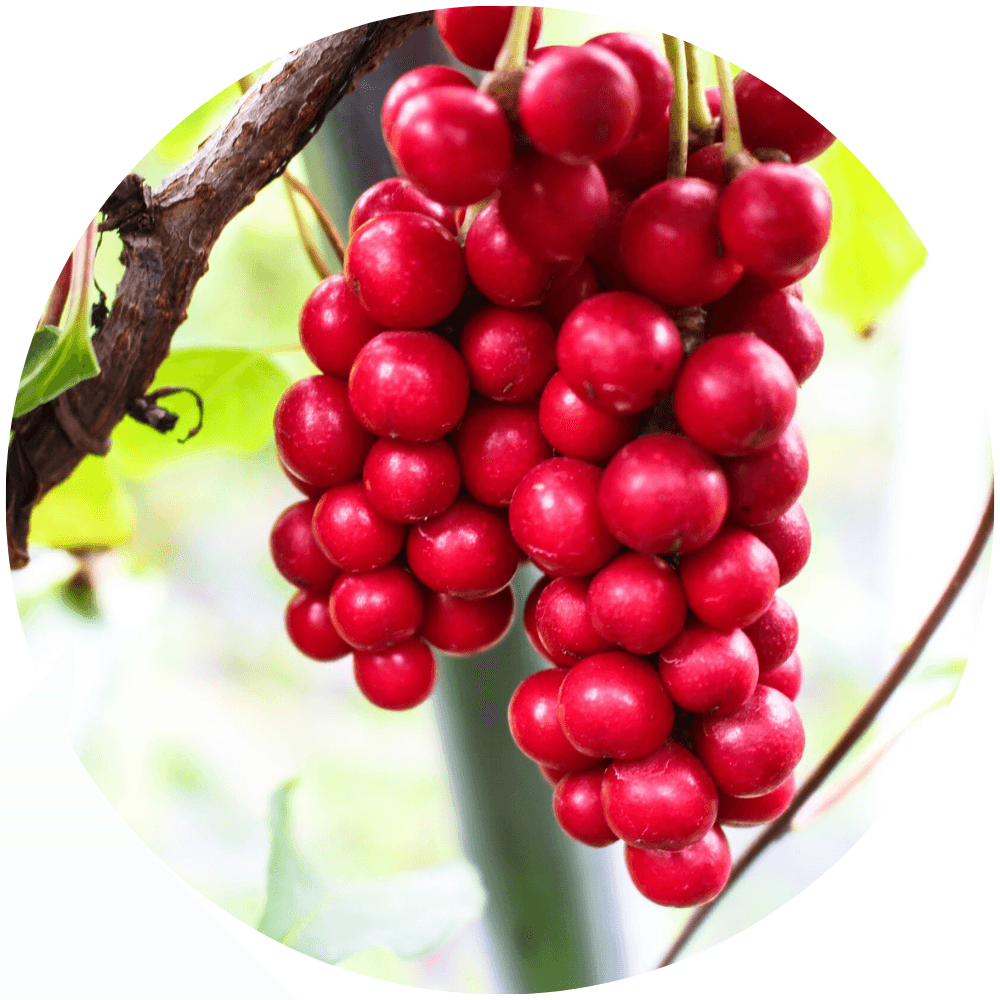
Schisandra
Schisandra (Schisandra chinensis) is a traditional Chinese medicinal herb that has been used for centuries for its adaptogenic properties. It is known for its ability to promote overall health and well-being, including benefits for mitochondrial function and weight loss.

Rhodiola
Rhodiola (Rhodiola rosea), also known as golden root or Arctic root, is an adaptogenic herb traditionally used to combat stress, fatigue, and improve physical and mental performance. Modern research has revealed its profound effects on mitochondrial function and overall health, including its potential role in weight loss.
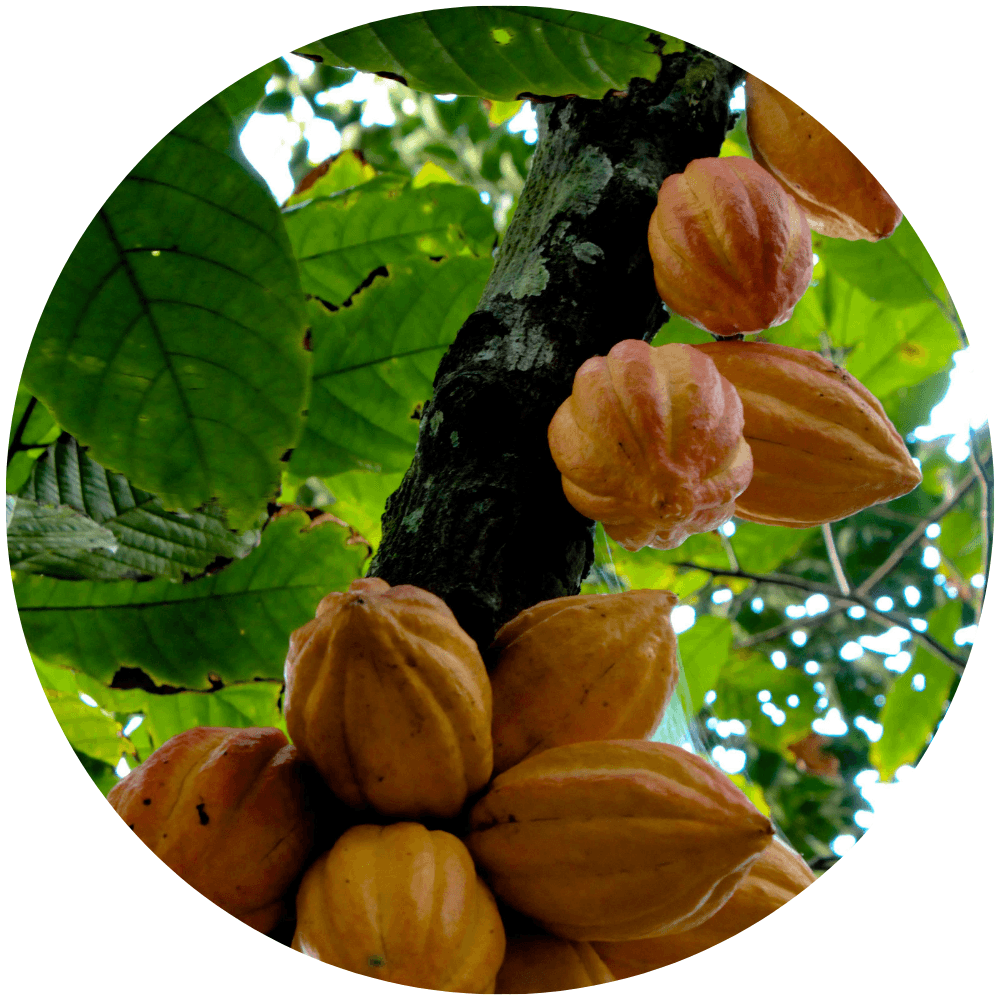
Theobroma Cacao
Theobroma cacao, the plant from which cocoa is derived, has been extensively studied for its health benefits, particularly its effects on mitochondrial function and overall metabolic health.
Click To Watch Video

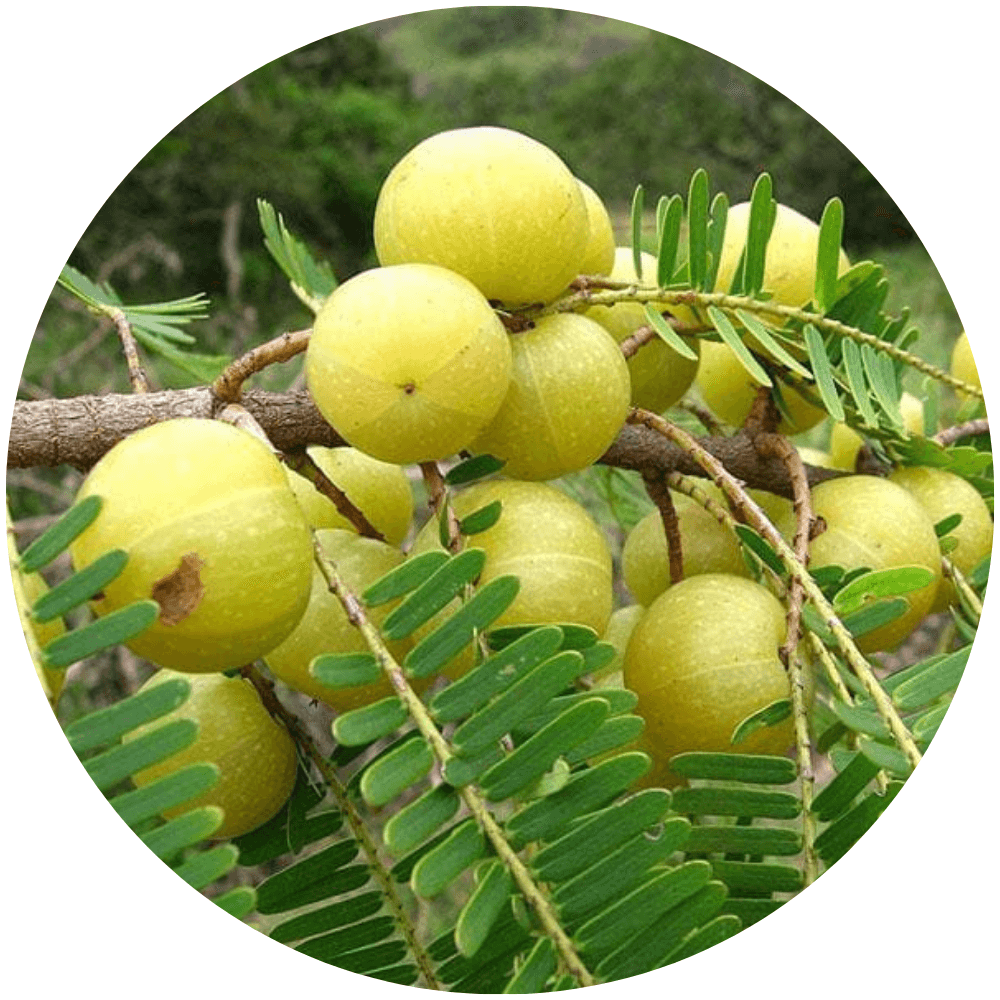
Amla
Amla (Indian gooseberry, Emblica officinalis) is a potent antioxidant-rich fruit that has been extensively studied for its health benefits, including its ability to enhance mitochondrial function. Mitochondria are the powerhouses of cells, responsible for producing energy in the form of adenosine triphosphate (ATP).
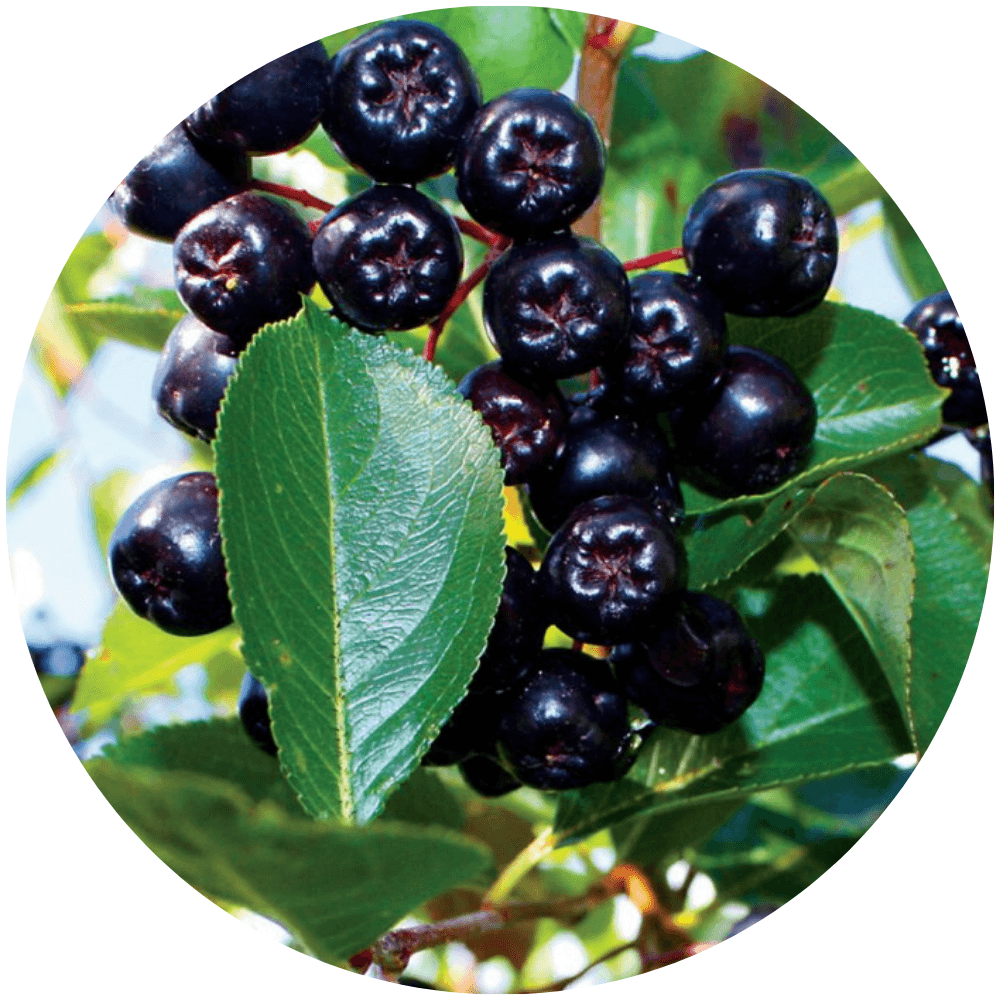
Maqui Berry
Maqui Berry (Aristotelia chilensis) is a dark purple berry native to South America, particularly Chile and Argentina. It has gained attention for its high antioxidant content, particularly anthocyanins and polyphenols, which contribute to its health benefits.

Haematococcus
Haematococcus pluvialis is a freshwater microalga known for its high production of astaxanthin, a potent antioxidant. Astaxanthin has been extensively studied for its health benefits, including its effects on mitochondrial function and weight loss.
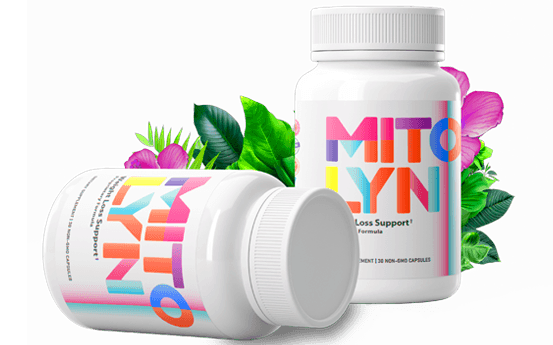
All 6 Ingredients Combined Into 1 Tablet
See Official Website For Full Details & User Results
>>> Click Here
Health Benefits
How Amla Promotes Mitochondrial Function
Rich in Antioxidants (Vitamin C, Polyphenols, Flavonoids): Amla is exceptionally high in vitamin C and polyphenols, which neutralize free radicals and reduce oxidative stress. Mitochondria are particularly susceptible to oxidative damage due to their role in energy production, which generates reactive oxygen species (ROS) as a byproduct. By reducing oxidative stress, amla protects mitochondrial membranes and DNA, ensuring optimal function.
Enhances Electron Transport Chain (ETC) Efficiency: The polyphenols in amla, such as gallic acid and ellagic acid, improve the efficiency of the mitochondrial electron transport chain (ETC). This enhances ATP production by ensuring that electrons are transferred smoothly through the complexes (I-IV) of the ETC, reducing electron leakage and ROS formation.
Boosts Mitochondrial Biogenesis: Amla activates pathways like AMP-activated protein kinase (AMPK) and peroxisome proliferator-activated receptor gamma coactivator 1-alpha (PGC-1α), which are key regulators of mitochondrial biogenesis. This means amla helps increase the number of mitochondria in cells, improving overall energy metabolism.
Improves Fatty Acid Oxidation: Amla enhances the breakdown of fatty acids in mitochondria, a process known as beta-oxidation. This not only provides more fuel for ATP production but also reduces lipid accumulation in cells, which can impair mitochondrial function.
Reduces Inflammation: Chronic inflammation can damage mitochondria and impair their function. Amla's anti-inflammatory properties, mediated by compounds like quercetin and kaempferol, help protect mitochondria from inflammatory damage.
Chelates Heavy Metals: Amla has natural chelating properties, meaning it binds to heavy metals like lead and cadmium, which can accumulate in mitochondria and disrupt their function. By removing these toxins, amla helps maintain mitochondrial integrity.
Other Health Benefits of Amla
Promotes Weight Loss:
Enhances Metabolism: Amla boosts thermogenesis and metabolic rate, helping the body burn more calories at rest.
Regulates Blood Sugar: By improving insulin sensitivity and reducing blood sugar spikes, amla helps prevent fat storage and reduces cravings.
Suppresses Appetite: The high fiber content in amla promotes satiety, reducing overall calorie intake.
Reduces Fat Accumulation: Amla inhibits the differentiation of preadipocytes into mature fat cells, reducing fat storage.
Improves Digestive Health:
Amla is rich in dietary fiber, which aids digestion, prevents constipation, and supports a healthy gut microbiome. A healthy gut is essential for efficient nutrient absorption and weight management.
Supports Cardiovascular Health:
Amla reduces LDL cholesterol and triglycerides while increasing HDL cholesterol. It also improves endothelial function and reduces blood pressure, contributing to overall cardiovascular health.
Boosts Immune Function:
The high vitamin C content in amla strengthens the immune system by enhancing the production and function of white blood cells.
Anti-Aging Properties:
Amla's antioxidants protect cells from oxidative damage, slowing down the aging process and improving skin health.
Enhances Liver Function:
Amla supports liver detoxification and protects against liver damage by reducing oxidative stress and inflammation.
Improves Cognitive Function:
Amla's neuroprotective properties help prevent age-related cognitive decline and improve memory and focus.
Anti-Cancer Properties:
The antioxidants and phytochemicals in amla have been shown to inhibit the growth of cancer cells and induce apoptosis (programmed cell death).
Strengthens Hair and Skin:
Amla promotes collagen synthesis, improving skin elasticity and reducing wrinkles. It also strengthens hair follicles, reducing hair fall and promoting growth.
Key Benefits for Weight Loss:
The following benefits of amla contribute most significantly to weight loss:
Enhanced Mitochondrial Function: Improves energy metabolism and fat oxidation.
Appetite Suppression: High fiber content promotes satiety.
Blood Sugar Regulation: Reduces insulin spikes and fat storage.
Increased Thermogenesis: Boosts calorie burning.
Reduced Fat Accumulation: Inhibits fat cell formation.
Amla is a powerhouse of nutrients and bioactive compounds that promote mitochondrial health, enhance metabolism, and support weight loss. Its antioxidant, anti-inflammatory, and metabolic-regulating properties make it a valuable addition to a healthy diet, particularly for those looking to improve energy levels and manage weight.
How Maqui Berry Promotes Mitochondrial Health
Rich in Antioxidants (Anthocyanins and Polyphenols): Maqui berries are exceptionally high in anthocyanins, which are potent antioxidants. These compounds help neutralize reactive oxygen species (ROS) and reduce oxidative stress, a key factor in mitochondrial dysfunction. Mitochondria are highly susceptible to oxidative damage due to their role in energy production and their high oxygen consumption. By reducing oxidative stress, maqui berry helps protect mitochondrial DNA, proteins, and membranes, ensuring optimal mitochondrial function.
Enhances Mitochondrial Biogenesis: Studies suggest that the polyphenols in maqui berries can activate pathways like the AMP-activated protein kinase (AMPK) pathway and the peroxisome proliferator-activated receptor gamma coactivator 1-alpha (PGC-1α) pathway. These pathways are critical for mitochondrial biogenesis, the process by which new mitochondria are formed in cells. Enhanced mitochondrial biogenesis improves cellular energy production and metabolic efficiency.
Improves Mitochondrial Efficiency: Maqui berry extracts have been shown to improve mitochondrial respiration and ATP production. This is achieved by enhancing the activity of enzymes involved in the electron transport chain (ETC), the primary mechanism for ATP synthesis in mitochondria. Improved mitochondrial efficiency means better energy utilization, reduced fatigue, and enhanced physical performance.
Reduces Inflammation: Chronic inflammation can impair mitochondrial function. Maqui berry’s anti-inflammatory properties, mediated by its high levels of delphinidins (a type of anthocyanin), help reduce pro-inflammatory cytokines like TNF-α and IL-6. By lowering inflammation, maqui berry supports mitochondrial health and prevents inflammation-induced damage.
Supports Autophagy: Autophagy is the process by which cells remove damaged components, including dysfunctional mitochondria (mitophagy). Maqui berry’s antioxidants and polyphenols promote autophagy, ensuring that only healthy mitochondria remain in cells. This process is crucial for maintaining cellular homeostasis and preventing the accumulation of damaged mitochondria, which can lead to metabolic disorders.
Other Health Benefits of Maqui Berry
Weight Loss and Metabolic Health: Enhances Fat Oxidation: Maqui berry activates AMPK, which increases fat oxidation (the breakdown of fat for energy) and reduces fat storage. This contributes to weight loss and improved body composition.
Regulates Blood Sugar Levels: By improving insulin sensitivity and reducing postprandial glucose spikes, maqui berry helps prevent fat storage and supports weight management.
Reduces Appetite: Some studies suggest that maqui berry may help regulate hunger hormones like ghrelin and leptin, reducing overall calorie intake.
Cardiovascular Health: Improves lipid profiles by reducing LDL cholesterol and triglycerides. Enhances endothelial function and reduces blood pressure due to its high antioxidant content.
Anti-Aging and Skin Health: Protects skin from UV-induced damage and oxidative stress. Promotes collagen synthesis, reducing wrinkles and improving skin elasticity.
Immune System Support: Boosts immune function by reducing inflammation and enhancing antioxidant defenses. May help prevent infections and support overall immune health.
Anti-Cancer Properties: The antioxidants in maqui berry have been shown to inhibit the growth of cancer cells and induce apoptosis (programmed cell death) in preclinical studies.
Gut Health: Acts as a prebiotic, promoting the growth of beneficial gut bacteria. Supports digestive health and reduces inflammation in the gut.
Key Benefits for Weight Loss:
Activation of AMPK: AMPK activation increases energy expenditure, enhances fat burning, and reduces fat storage, making it a key mechanism for weight loss.
Improved Insulin Sensitivity: By regulating blood sugar levels, maqui berry helps prevent insulin resistance, a major contributor to weight gain and obesity.
Appetite Regulation: The potential impact on hunger hormones like ghrelin and leptin can help reduce calorie intake, supporting weight loss efforts.
Enhanced Mitochondrial Function: Improved mitochondrial efficiency and biogenesis lead to better energy utilization, reduced fatigue, and increased physical activity, all of which contribute to weight loss.
Maqui berry promotes mitochondrial health primarily through its antioxidant and anti-inflammatory properties, which protect mitochondria from damage and enhance their function. Its ability to activate AMPK and support mitochondrial biogenesis makes it particularly beneficial for weight loss and metabolic health. Additionally, maqui berry offers a wide range of other health benefits, including cardiovascular protection, anti-aging effects, and immune support, making it a valuable addition to a healthy diet.
How Haematococcus Promotes Mitochondrial Health
Astaxanthin and Mitochondrial Function: Astaxanthin, the primary bioactive compound in Haematococcus, is a carotenoid with a unique molecular structure that allows it to integrate into cell membranes, including mitochondrial membranes. Mitochondria are the powerhouses of cells, responsible for producing adenosine triphosphate (ATP), the energy currency of the body. Astaxanthin enhances mitochondrial efficiency by: Reducing Oxidative Stress: Astaxanthin neutralizes reactive oxygen species (ROS) and prevents oxidative damage to mitochondrial DNA, proteins, and lipids. This preserves mitochondrial integrity and function. Improving Electron Transport Chain (ETC) Efficiency: Astaxanthin stabilizes the ETC, reducing electron leakage and enhancing ATP production. Enhancing Fatty Acid Oxidation: Astaxanthin promotes the breakdown of fatty acids in mitochondria, which is crucial for energy production and weight management.
Anti-inflammatory Effects: Chronic inflammation impairs mitochondrial function. Astaxanthin reduces inflammation by inhibiting pro-inflammatory cytokines (e.g., TNF-α, IL-6) and downregulating NF-κB signaling pathways. By reducing inflammation, astaxanthin helps maintain mitochondrial health and energy metabolism.
Activation of AMPK Pathway: Astaxanthin activates AMP-activated protein kinase (AMPK), a cellular energy sensor that enhances mitochondrial biogenesis (the creation of new mitochondria) and improves energy utilization. AMPK activation also promotes autophagy, a process that removes damaged mitochondria and replaces them with healthy ones.
Protection Against Mitochondrial Dysfunction: Astaxanthin protects mitochondria from damage caused by environmental toxins, UV radiation, and metabolic stressors, ensuring optimal energy production and cellular function.
Other Health Benefits of Haematococcus (Astaxanthin)
Antioxidant Properties: Astaxanthin is one of the most potent antioxidants, with a capacity 6,000 times stronger than vitamin C and 550 times stronger than vitamin E. It protects cells, tissues, and organs from oxidative damage, reducing the risk of chronic diseases like cardiovascular disease, diabetes, and neurodegenerative disorders.
Anti-inflammatory Effects: Astaxanthin reduces systemic inflammation, which is linked to obesity, insulin resistance, and metabolic syndrome.
Cardiovascular Health: Improves lipid profiles by reducing LDL cholesterol and triglycerides while increasing HDL cholesterol. Enhances blood flow and reduces blood pressure by improving endothelial function.
Eye Health: Astaxanthin crosses the blood-retinal barrier and protects the eyes from oxidative stress, reducing the risk of cataracts, macular degeneration, and eye fatigue.
Skin Health: Protects the skin from UV-induced damage, reduces wrinkles, and improves moisture retention.
Cognitive Function: Astaxanthin crosses the blood-brain barrier and protects neurons from oxidative stress, potentially reducing the risk of Alzheimer’s and Parkinson’s diseases.
Exercise Performance and Recovery: Enhances endurance, reduces muscle damage, and accelerates recovery by reducing oxidative stress and inflammation.
Health Benefits Contributing to Weight Loss
Enhanced Fat Metabolism: Astaxanthin promotes lipolysis (breakdown of fat) and fatty acid oxidation in mitochondria, increasing the utilization of stored fat for energy. This process is particularly beneficial during exercise, as it spares glycogen and enhances endurance.
Improved Insulin Sensitivity: Astaxanthin reduces insulin resistance, a key factor in obesity and metabolic syndrome. By improving glucose uptake in muscles and reducing fat storage, it helps regulate blood sugar levels and prevents weight gain.
Activation of AMPK: As mentioned earlier, AMPK activation promotes fat burning, inhibits fat storage, and enhances mitochondrial biogenesis, all of which contribute to weight loss.
Reduction of Inflammation: Chronic inflammation is associated with obesity and metabolic dysfunction. Astaxanthin’s anti-inflammatory effects help reduce adipose tissue inflammation, improving metabolic health and facilitating weight loss.
Appetite Regulation: Astaxanthin may influence hormones like leptin and ghrelin, which regulate hunger and satiety, potentially reducing overeating.
Increased Energy Expenditure: By improving mitochondrial function and ATP production, astaxanthin enhances overall energy levels, encouraging physical activity and calorie expenditure.
Haematococcus pluvialis, through its high astaxanthin content, plays a significant role in promoting mitochondrial health by reducing oxidative stress, enhancing energy production, and protecting against mitochondrial dysfunction. Its other health benefits, particularly its ability to enhance fat metabolism, improve insulin sensitivity, and reduce inflammation, make it a valuable supplement for weight loss and overall metabolic health. Incorporating Haematococcus-derived astaxanthin into a balanced diet and active lifestyle may support sustainable weight management and improved energy levels. Always consult a healthcare professional before starting any new supplement regimen.
How Schisandra Promotes Mitochondrial Health
Enhances Mitochondrial Biogenesis: Schisandra contains bioactive compounds such as schisandrin B, schisandrin C, and gomisin A, which have been shown to stimulate mitochondrial biogenesis (the process by which new mitochondria are formed in cells). These compounds activate AMP-activated protein kinase (AMPK) and peroxisome proliferator-activated receptor gamma coactivator 1-alpha (PGC-1α), key regulators of mitochondrial biogenesis and energy metabolism. By increasing the number of mitochondria, Schisandra improves cellular energy production and efficiency.
Improves Mitochondrial Function: Schisandra enhances the efficiency of the electron transport chain (ETC), the series of protein complexes in mitochondria responsible for ATP (adenosine triphosphate) production. It reduces oxidative stress by increasing the activity of antioxidant enzymes such as superoxide dismutase (SOD) and glutathione peroxidase, which protect mitochondria from damage caused by reactive oxygen species (ROS).
Reduces Mitochondrial Oxidative Stress: The lignans in Schisandra, particularly schisandrin B, have potent antioxidant properties that scavenge free radicals and reduce oxidative damage to mitochondrial DNA and membranes. This helps maintain mitochondrial integrity and function, preventing age-related decline in cellular energy production.
Supports Mitochondrial Membrane Stability: Schisandra helps stabilize mitochondrial membranes by modulating lipid peroxidation, a process that can damage mitochondrial membranes and impair function. This stabilization ensures proper functioning of mitochondrial enzymes and transport systems.
Enhances Cellular Energy Metabolism: Schisandra promotes the utilization of fatty acids and glucose for energy production, improving overall metabolic efficiency. By optimizing mitochondrial function, it helps cells produce more ATP, which is essential for maintaining energy levels and supporting metabolic processes.
Other Health Benefits of Schisandra
Adaptogenic Properties: Schisandra helps the body adapt to stress by regulating the hypothalamic-pituitary-adrenal (HPA) axis and reducing cortisol levels. This can indirectly support weight loss by reducing stress-related overeating and improving sleep quality.
Liver Protection and Detoxification: Schisandra supports liver health by enhancing detoxification pathways and protecting hepatocytes (liver cells) from damage. A healthy liver is crucial for efficient fat metabolism and weight management.
Anti-Inflammatory Effects: The lignans in Schisandra have anti-inflammatory properties that reduce chronic inflammation, which is often linked to obesity and metabolic disorders.
Improved Cognitive Function: Schisandra enhances cognitive performance by increasing blood flow to the brain and protecting neurons from oxidative stress. This can indirectly support weight loss by improving focus and motivation for physical activity.
Enhanced Physical Endurance: By improving mitochondrial function and energy production, Schisandra enhances physical endurance and reduces fatigue, making it easier to engage in regular exercise.
Blood Sugar Regulation: Schisandra helps regulate blood sugar levels by improving insulin sensitivity and glucose uptake in cells. Stable blood sugar levels reduce cravings and prevent overeating, supporting weight loss efforts.
Antioxidant Protection: Schisandra’s high antioxidant content protects cells from oxidative damage, which is linked to aging, chronic diseases, and metabolic dysfunction.
Immune System Support: Schisandra boosts immune function by increasing the production of immune cells and enhancing their activity. A strong immune system supports overall health and well-being, which is essential for maintaining an active lifestyle.
Health Benefits That Contribute Most to Weight Loss
Enhanced Mitochondrial Function and Energy Metabolism: By improving mitochondrial efficiency and ATP production, Schisandra helps the body burn calories more effectively, supporting weight loss.
Liver Health and Fat Metabolism: A healthy liver is essential for breaking down fats and regulating cholesterol levels, both of which are important for weight management.
Blood Sugar Regulation: Stable blood sugar levels reduce insulin spikes and cravings, making it easier to maintain a calorie deficit.
Reduced Stress and Cortisol Levels: Lower cortisol levels help prevent stress-induced weight gain, particularly in the abdominal area.
Improved Physical Endurance: Enhanced energy levels and reduced fatigue make it easier to engage in regular exercise, a key component of weight loss.
Anti-Inflammatory Effects: Reducing chronic inflammation can improve metabolic health and support weight loss efforts.
Schisandra promotes mitochondrial health by enhancing biogenesis, improving function, reducing oxidative stress, and stabilizing mitochondrial membranes. These effects contribute to increased energy production and metabolic efficiency, which are crucial for weight loss. Additionally, Schisandra offers a range of other health benefits, including liver support, blood sugar regulation, stress reduction, and anti-inflammatory effects, all of which play a significant role in promoting a healthy weight. Incorporating Schisandra into a balanced diet and lifestyle may provide a natural and effective way to support weight loss and overall well-being.
How Rhodiola Promotes Mitochondrial Health
Enhances ATP Production: Rhodiola contains active compounds such as salidroside and rosavin, which have been shown to improve mitochondrial ATP production. These compounds enhance the activity of enzymes in the electron transport chain (ETC), the primary pathway for ATP synthesis in mitochondria. By increasing ATP production, Rhodiola helps cells meet their energy demands more efficiently, reducing fatigue and improving physical performance.
Reduces Oxidative Stress: Rhodiola is a potent antioxidant that scavenges reactive oxygen species (ROS) and reduces oxidative damage to mitochondrial DNA, proteins, and membranes. Mitochondria are particularly vulnerable to oxidative stress due to their role in energy production and high oxygen consumption. By protecting mitochondria from oxidative damage, Rhodiola ensures their optimal function and longevity.
Stimulates Mitochondrial Biogenesis: Rhodiola activates key pathways involved in mitochondrial biogenesis, such as the AMP-activated protein kinase (AMPK) and peroxisome proliferator-activated receptor gamma coactivator 1-alpha (PGC-1α) pathways. These pathways promote the creation of new mitochondria, improving cellular energy metabolism and overall mitochondrial function.
Improves Mitochondrial Efficiency: Rhodiola enhances mitochondrial respiration and reduces energy waste by optimizing the efficiency of the electron transport chain. This results in better energy utilization, reduced fatigue, and improved endurance, particularly during physical activity.
Supports Autophagy and Mitophagy: Rhodiola promotes autophagy, the process by which cells remove damaged components, including dysfunctional mitochondria (mitophagy). By clearing out damaged mitochondria, Rhodiola ensures that only healthy mitochondria remain, maintaining cellular homeostasis and preventing metabolic dysfunction.
Reduces Inflammation: Chronic inflammation can impair mitochondrial function. Rhodiola’s anti-inflammatory properties, mediated by its active compounds, help reduce pro-inflammatory cytokines like TNF-α and IL-6. Lowering inflammation supports mitochondrial health and prevents inflammation-induced damage.
Other Health Benefits of Rhodiola
Adaptogenic and Stress-Reducing Effects: Rhodiola helps the body adapt to physical and mental stress by modulating the hypothalamic-pituitary-adrenal (HPA) axis and reducing cortisol levels. This can improve mood, reduce anxiety, and enhance overall resilience.
Cognitive Function and Mental Performance: Enhances memory, focus, and mental clarity by increasing blood flow to the brain and supporting neurotransmitter balance. May help reduce symptoms of depression and fatigue.
Physical Performance and Endurance: Improves exercise capacity, reduces fatigue, and accelerates recovery by enhancing mitochondrial function and ATP production. Particularly beneficial for athletes and individuals engaging in high-intensity workouts.
Immune System Support: Boosts immune function by reducing inflammation and enhancing antioxidant defenses. May help prevent infections and support overall immune health.
Cardiovascular Health: Improves heart function and reduces the risk of cardiovascular diseases by enhancing mitochondrial efficiency and reducing oxidative stress. May help lower blood pressure and improve lipid profiles.
Anti-Aging Properties: Protects cells from oxidative damage and supports mitochondrial health, slowing down the aging process. Promotes skin health and reduces the appearance of aging.
Health Benefits Most Relevant to Weight Loss
Activation of AMPK: Rhodiola activates AMPK, a key regulator of energy metabolism. AMPK activation increases fat oxidation (the breakdown of fat for energy) and reduces fat storage, contributing to weight loss. AMPK also improves insulin sensitivity, which helps regulate blood sugar levels and prevents fat accumulation.
Enhanced Mitochondrial Function: By improving mitochondrial efficiency and ATP production, Rhodiola increases energy levels and reduces fatigue, making it easier to engage in physical activity and burn calories. Enhanced mitochondrial biogenesis also supports long-term metabolic health.
Stress Reduction and Cortisol Regulation: Chronic stress and elevated cortisol levels are linked to weight gain, particularly abdominal fat. Rhodiola’s adaptogenic properties help regulate cortisol levels, reducing stress-induced weight gain. Lower stress levels also reduce emotional eating and cravings for unhealthy foods.
Improved Physical Performance: Rhodiola’s ability to enhance endurance and reduce fatigue makes it easier to engage in regular exercise, a critical component of weight loss. Improved exercise performance leads to greater calorie expenditure and fat loss.
Appetite Regulation: Some studies suggest that Rhodiola may help regulate appetite by influencing neurotransmitters like serotonin and dopamine, which play a role in hunger and satiety. This can help reduce overall calorie intake and support weight loss efforts.
Rhodiola promotes mitochondrial health by enhancing ATP production, reducing oxidative stress, stimulating mitochondrial biogenesis, and supporting autophagy. These effects improve cellular energy metabolism, reduce fatigue, and enhance physical performance, all of which contribute to weight loss. Additionally, Rhodiola offers a wide range of other health benefits, including stress reduction, improved cognitive function, and cardiovascular support. Its ability to activate AMPK, regulate cortisol, and enhance physical performance makes it particularly effective for weight management and metabolic health.
New chat
How Theobroma Cacao Promotes Mitochondrial Health
Rich in Polyphenols (Flavonoids): Cocoa is one of the richest sources of polyphenols, particularly flavonoids like epicatechin, catechin, and procyanidins. These compounds have potent antioxidant and anti-inflammatory properties. Mechanism: Flavonoids, especially epicatechin, enhance mitochondrial biogenesis (the creation of new mitochondria) and improve mitochondrial function by upregulating peroxisome proliferator-activated receptor gamma coactivator 1-alpha (PGC-1α), a key regulator of mitochondrial biogenesis and energy metabolism. Epicatechin also increases the expression of mitochondrial electron transport chain (ETC) proteins, improving ATP production and energy efficiency.
Antioxidant Effects: Cocoa flavonoids reduce oxidative stress by scavenging free radicals and enhancing the activity of endogenous antioxidant enzymes like superoxide dismutase (SOD) and catalase. Mechanism: By reducing oxidative damage to mitochondrial DNA and membranes, cocoa helps maintain mitochondrial integrity and function, which is critical for energy production and cellular health.
Improvement in Fatty Acid Oxidation: Cocoa flavonoids enhance the breakdown of fatty acids in mitochondria, a process known as beta-oxidation. Mechanism: This is achieved by upregulating enzymes like carnitine palmitoyltransferase 1 (CPT1), which facilitates the transport of fatty acids into mitochondria for energy production.
Anti-inflammatory Effects: Chronic inflammation impairs mitochondrial function. Cocoa's anti-inflammatory properties, mediated by its polyphenols, help reduce inflammation and protect mitochondria from damage. Mechanism: Cocoa inhibits pro-inflammatory pathways such as NF-κB and reduces the production of inflammatory cytokines like TNF-α and IL-6.
Enhanced Insulin Sensitivity: Cocoa improves insulin sensitivity, which is closely linked to mitochondrial function. Insulin resistance is associated with mitochondrial dysfunction and reduced ATP production. Mechanism: By improving insulin signaling, cocoa helps optimize glucose uptake and utilization in cells, reducing metabolic stress on mitochondria.
Other Health Benefits of Theobroma Cacao
Cardiovascular Health: Cocoa improves endothelial function, reduces blood pressure, and lowers LDL cholesterol while increasing HDL cholesterol. Mechanism: Flavonoids stimulate the production of nitric oxide (NO), which relaxes blood vessels and improves blood flow.
Cognitive Function: Cocoa enhances brain function by improving blood flow to the brain, reducing oxidative stress, and promoting neurogenesis. Mechanism: Flavonoids cross the blood-brain barrier and protect neurons from oxidative damage.
Mood Enhancement: Cocoa contains compounds like phenylethylamine (PEA) and anandamide, which can improve mood and reduce stress. Mechanism: These compounds interact with neurotransmitter systems, including serotonin and dopamine.
Gut Health: Cocoa polyphenols act as prebiotics, promoting the growth of beneficial gut bacteria. Mechanism: Fermentation of cocoa polyphenols in the gut produces short-chain fatty acids (SCFAs), which have anti-inflammatory and metabolic benefits.
Health Benefits Contributing to Weight Loss
Appetite Suppression: Cocoa has been shown to reduce appetite and cravings, particularly for sweet and high-fat foods. Mechanism: Cocoa polyphenols influence the release of appetite-regulating hormones like ghrelin and leptin.
Enhanced Fat Oxidation: Cocoa promotes the use of fat as an energy source, which can contribute to weight loss. Mechanism: By upregulating CPT1 and other enzymes involved in fatty acid oxidation, cocoa enhances mitochondrial fat-burning capacity.
Improved Insulin Sensitivity: Better insulin sensitivity helps regulate blood sugar levels and reduces fat storage. Mechanism: Cocoa flavonoids improve glucose uptake in muscles and reduce insulin resistance, preventing excessive fat accumulation.
Increased Energy Expenditure: Cocoa may boost metabolic rate by enhancing mitochondrial function and thermogenesis. Mechanism: Epicatechin activates uncoupling proteins (UCPs), which increase energy expenditure by generating heat.
Reduction in Inflammation: Chronic inflammation is linked to obesity and metabolic syndrome. Cocoa's anti-inflammatory effects help combat this. Mechanism: By reducing inflammatory markers, cocoa supports a healthier metabolic profile.
Theobroma cacao promotes mitochondrial health primarily through its high flavonoid content, which enhances mitochondrial biogenesis, reduces oxidative stress, and improves fatty acid oxidation. These effects not only boost cellular energy production but also contribute to weight loss by enhancing fat metabolism, suppressing appetite, and improving insulin sensitivity. Additionally, cocoa offers a wide range of other health benefits, including cardiovascular protection, cognitive enhancement, and gut health support, making it a valuable addition to a healthy diet. However, it is important to consume cocoa in its purest form (e.g., dark chocolate with high cocoa content or raw cocoa powder) to maximize these benefits while minimizing added sugars and fats.
Click Here
Visit Official Website Here
Built with systeme.io | Privacy policy | Legal | Terms & Conditions